

October 27, 2026
CVV News
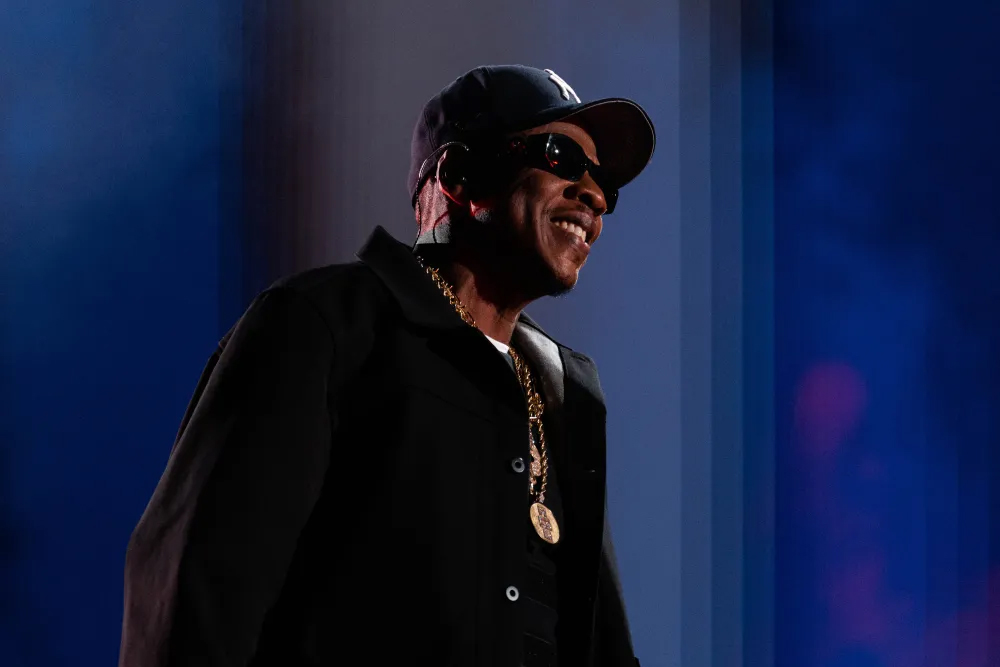
JAŸ-Z’s “JAŸ-Z30” concert series offered a different approach to the large-scale live performances that have become common among established music artists. The anniversary events emphasized the depth of his catalogue and the lasting influence of his career. The series concluded with two performances at SoFi Stadium in Inglewood, California, marking the end of a six-month celebration that began with an appearance at the Roots Picnic. Across the shows, JAŸ-Z revisited music spanning several decades, presenting his career as a connected body of work rather than a collection of individual hits.
One of the defining differences of the SoFi Stadium performances was the limited role of guest performers. While his earlier live shows included celebrity appearances, JAŸ-Z’s final performance put the spotlight on his own music and stage presence. The few special guests that did join him on stage included Too Short, Dr. Dre, and Snoop Dogg.
The relatively consistent setlist also distinguished the series from concerts built around frequent changes or unexpected collaborations. Familiar transitions between songs created continuity, allowing the audience to experience the catalogue as a retrospective. The emphasis was less on novelty than on demonstrating how individual records had contributed to an enduring musical legacy.
Share this:

Discover more from Central Valley Voice
Subscribe to get the latest posts sent to your email.

